
Clear Communication. Independent Oversight. Better Construction Outcomes.
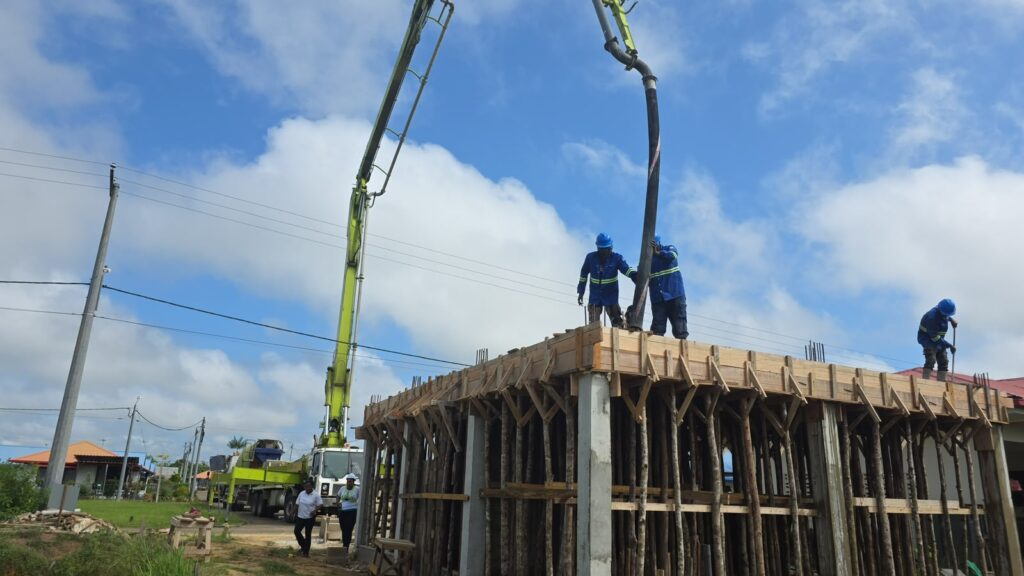
A successful construction project is not built on concrete, steel, and engineering plans alone. It is built on trust, clear communication, shared responsibilities, and well-coordinated decisions.
Every construction project involves multiple parties, each with a different role, perspective, and responsibility. The owner has a vision and specific expectations. The architect and design team translate that vision into technical plans. The contractor is responsible for organizing and delivering the construction work, while the execution team ensures that the work is carried out on site.
Although everyone works towards the same final result, differences in interpretation, priorities, and technical understanding can create misunderstandings. When communication is not properly coordinated, even a well-designed project can encounter unnecessary delays, additional costs, quality issues, and conflicts.
This is where independent construction consultancy makes a difference.
At CLE Birdland, we believe that successful construction requires more than monitoring progress. It requires keeping all parties focused, ensuring that information is communicated correctly, and helping decisions remain aligned with the owner’s objectives and the project’s technical requirements.
1. One Project, Multiple Responsibilities
A construction project is a collaboration between different professionals and organizations. However, collaboration does not automatically guarantee alignment.
The owner initiates the project, defines its objectives, provides the requirements, and ultimately expects the completed building to meet those expectations.
The designer translates the owner’s requirements into drawings, specifications, and technical solutions. The contractor organizes the construction process and coordinates the resources required to execute the work. The site management and execution teams are responsible for carrying out the approved work according to the project requirements.
Each party has its own responsibilities, but all activities must connect.
For example, a design change that is not communicated properly to the contractor may result in work being executed according to outdated drawings. Similarly, a construction-related adjustment made on site without proper coordination with the design team can affect structural performance, quality, or compliance.
The problem is not always a lack of technical knowledge. Often, it is a lack of communication between the people who hold that knowledge.
2. Independent Consultancy: Connecting Design, Construction, and Execution
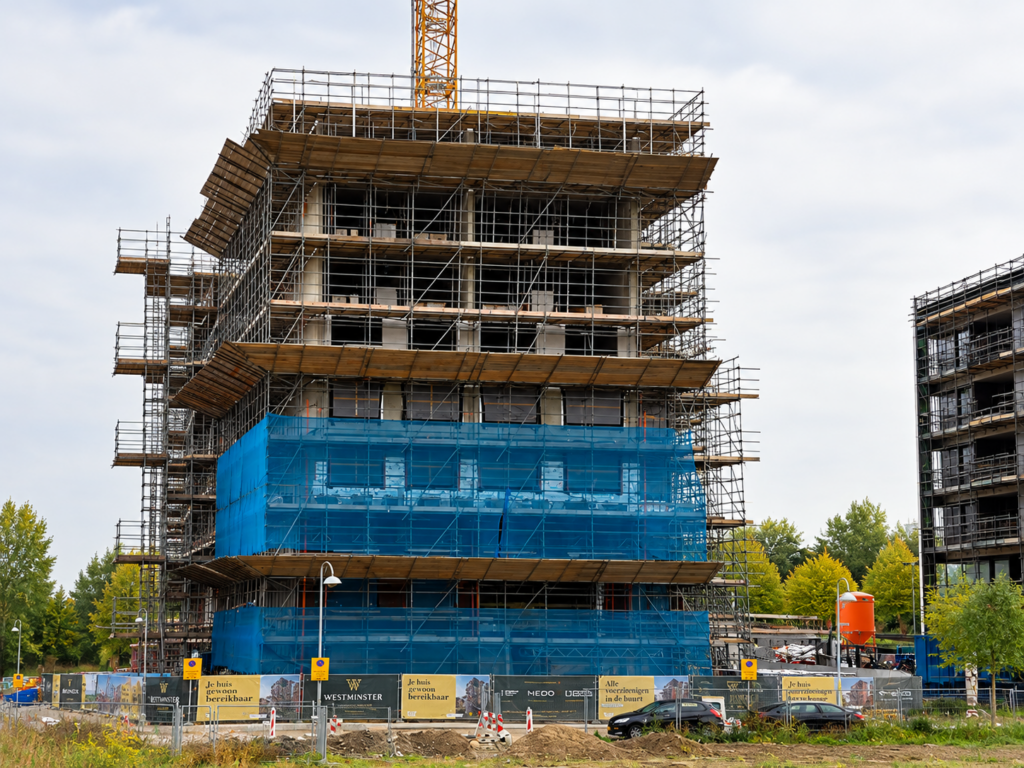
An independent construction consultant provides an objective perspective within the project organization.
Unlike parties directly responsible for designing or executing the work, an independent consultant can focus on whether information, decisions, and quality requirements are properly coordinated.
At CLE Birdland, we consider the connection between three essential areas particularly important:
Design: Are the drawings, specifications, materials, and technical requirements clearly defined and understood?
Construction: Are the contractor’s methods, planning, materials, and activities aligned with the approved project documentation?
Execution: Is the actual work on site being carried out according to the agreed requirements, applicable standards, and quality expectations?
When these three areas are aligned, the risk of misunderstandings and unnecessary corrections can be significantly reduced.
Independent involvement also helps identify potential conflicts at an earlier stage, when adjustments are generally easier and less costly to manage.
3. The Owner’s Vision Must Remain Central
One of the most important aspects of construction management is understanding who the project is ultimately being delivered for.
The owner is the party who commissions the project. Their objectives, functional requirements, expectations, and approved decisions form the foundation of the development.
During construction, the owner may request changes. These changes can arise from new insights, practical considerations, financial decisions, or evolving expectations.
Such requests deserve serious attention because the owner is the client and the project is being realized on their behalf.
However, every change needs to be properly evaluated before implementation.
A requested adjustment may affect:
- Structural design and technical feasibility.
- Material selection and availability.
- Construction planning and execution methods.
- Project costs and available budgets.
- Construction schedules and delivery milestones.
- Quality requirements and regulatory compliance.
For example, changing a material specification may appear to be a simple decision. However, it could influence durability, concrete performance, installation procedures, or compatibility with other construction components.
Therefore, an owner’s request should not simply be passed from one party to another. It should be communicated, assessed, documented, and coordinated with the relevant professionals.
Respecting the owner’s wishes and protecting the technical integrity of the project must go hand in hand.
4. Changes Require Different Insights and Proper Coordination
Changes are a natural part of construction projects. However, the way they are managed can determine whether they become opportunities for improvement or sources of unnecessary problems.
The owner may focus on functionality, appearance, or investment value. The designer considers architectural and engineering implications. The contractor evaluates construction methods, resources, planning, and costs. The quality specialist considers technical performance, materials, specifications, and compliance.
These different perspectives are not obstacles. They are valuable contributions to making informed decisions.
The challenge is bringing these insights together before a decision is implemented.
A structured change management process should include:
- Identify the change: Clearly define what the owner or project team wants to modify.
- Communicate the request: Inform all relevant parties and ensure everyone understands the proposed adjustment.
- Evaluate the impact: Review technical, financial, quality, planning, and regulatory consequences.
- Obtain approval: Ensure the authorized parties approve the change according to the project’s contractual and management procedures.
- Update documentation: Revise drawings, specifications, instructions, and relevant records where necessary.
- Verify implementation: Check that the approved change is correctly incorporated into the construction process.
This approach prevents different parties from working with different versions of information.
It also creates transparency, accountability, and a clear record of decisions.
5. Communication Is a Quality Management Tool
Communication is often treated as an administrative activity. In reality, it is one of the most important tools in construction quality management.
A missing instruction, an unclear responsibility, or an outdated drawing can create problems that are only discovered after the work has been completed.
At that stage, correcting the issue may require additional materials, labour, time, and financial resources.
Effective communication should therefore be part of the quality management process from the beginning.
This includes:
- Clear distribution of approved drawings and technical documentation.
- Defined responsibilities between the owner, designer, contractor, and execution team.
- Structured project meetings and technical discussions.
- Timely communication of design changes and site observations.
- Documented decisions, instructions, and approvals.
- Follow-up on outstanding technical and quality-related issues.
When information reaches the right people at the right time, project teams can make better decisions and prevent avoidable mistakes.
Good communication does not just improve cooperation. It directly supports construction quality, cost control, and risk reduction.
6. Building Trust Through Independent Quality Support
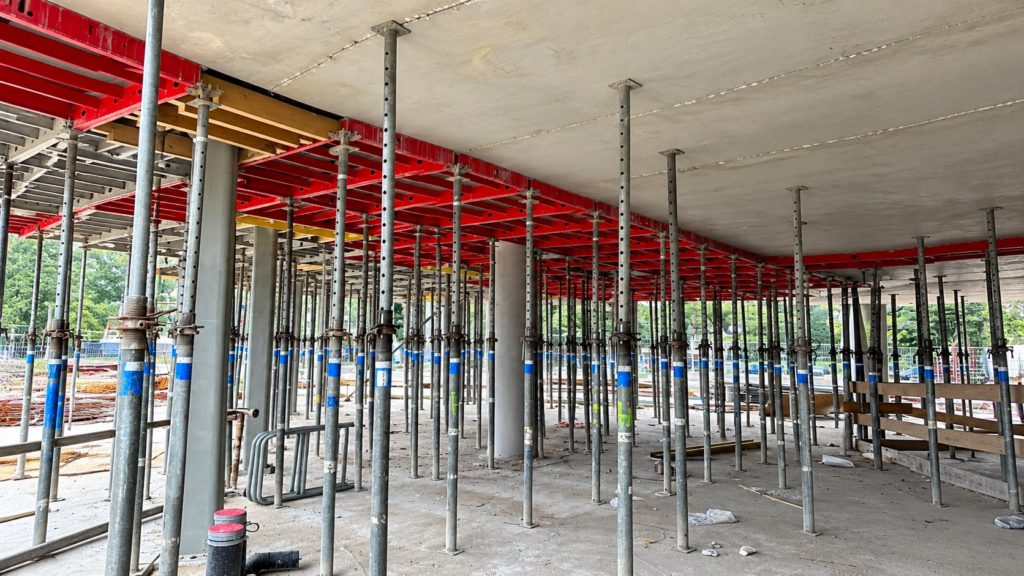
Trust in construction is not created through promises. It develops through transparency, technical knowledge, consistent communication, and reliable follow-up.
An independent consultant contributes by providing an objective view of the project and helping the involved parties maintain focus on agreed requirements.
This does not mean taking responsibility away from the owner, designer, contractor, or other appointed professionals. Each party retains its contractual and professional responsibilities.
Instead, independent consultancy supports the project by:
- Identifying potential quality and coordination risks.
- Reviewing whether project requirements are clearly communicated.
- Supporting alignment between design documentation and construction activities.
- Advising on materials, concrete technology, and technical solutions.
- Encouraging structured quality assurance and quality control.
- Helping project teams address issues before they develop into larger problems.
With more than 25 years of international experience in construction quality management, concrete technology, infrastructure, and complex building projects, CLE Birdland understands the importance of combining technical expertise with practical project coordination.
Our approach is based on independent thinking, professional communication, and a strong focus on quality throughout the construction process.
7. The Difference Is Made Before Problems Become Expensive
Many construction problems do not start on the construction site itself. They often begin much earlier, during design development, communication, planning, or decision-making.
A misunderstanding between the designer and contractor can lead to incorrect execution. An undocumented change can create disputes about responsibilities. A technical issue that is not addressed in time can become a costly correction later.
Preventing these situations requires attention throughout the project lifecycle.
Independent construction consultancy helps bring focus to the process by encouraging clear responsibilities, consistent information, and technically informed decisions.
The objective is not to create additional complexity or unnecessary procedures. It is to make the existing project organization work more effectively.
Conclusion: Quality Begins with Alignment and Trust
A successful construction project is the result of many people making the right decisions at the right time.
The owner’s vision must be understood. The design must be technically clear. The contractor must have the correct information to organize the work, and the execution team must understand what is expected on site.
When these elements are connected through effective communication and independent quality support, the entire process becomes more transparent and better controlled.
At CLE Birdland, we believe that quality begins with communication, trust grows through transparency, and successful construction depends on keeping everyone focused on the same objective.
Whether supporting a high-rise development, infrastructure project, industrial construction, or concrete-related challenge, our goal is to help project teams maintain quality, reduce risks, and achieve reliable construction outcomes.
CLE Birdland – Built on Quality. Focused on Trust.
Looking for independent support with construction quality, QA/QC, technical coordination, or concrete technology? Contact CLE Birdland to discuss your project.
Website: www.clebirdland.com
Email: Clebirdland@icloud.com
Phone: +31 6 41539433