
The construction industry is shedding its old skin. For decades, the sector relied heavily on paper blueprints, reactive fixes, and standard building practices that often took a heavy toll on our environments. But as we cross into 2026, the landscape looks fundamentally different.
The pressure is on. Project teams are facing tighter regulatory compliance, shifting climate demands, and a shrinking margin for error. To survive and thrive, the industry is leaning heavily into data-driven precision.
At Cle Birdland, we have always believed that quality begins here. Looking ahead at the definitive construction trends for 2026, it is clear that building durable, modern, and future-ready structures requires a powerful blend of three pillars: Artificial Intelligence (AI), Digital Quality Management, and Deep Sustainability.
1. AI: The Shift from Reactive Fixes to Predictive Power
Artificial Intelligence is no longer a futuristic buzzword or a gimmick reserved for tech startups. In 2026, AI is actively hitting the jobsite to solve one of construction’s oldest headaches: structural risk management.
Instead of figuring out what went wrong after a structural failure or a poor concrete pour, AI algorithms are analyzing real-time data to prevent issues before they occur.
- Predictive Material Performance: AI systems can analyze raw material variables, ambient site temperatures, and humidity levels to predict the exact curing strength and durability of concrete.
- Risk Mitigation: By monitoring historical data across infrastructure and high-rise projects, AI helps project managers spot timeline bottlenecks and structural vulnerabilities long before heavy machinery even rolls onto the plot.
For a specialized consultancy like Cle Birdland, incorporating decades of concrete technology experience with predictive data models means we can help project teams optimize their concrete chemistry, reduce structural damage, and ensure safety metrics are flawlessly met.
2. Digital Quality Management & Inspections: Say Goodbye to Clipboard QA
If your quality assurance (QA) framework still relies on paper checklists, carbon copies, and delayed reporting, your project is already exposed to unnecessary risk.
Digital inspections and smart quality management systems have officially become the standard in 2026. Transitioning to integrated digital QA/QC frameworks allows real-time communication between site engineers, inspectors, and stakeholders.

Real-time digital inspections eliminate rework on the modern jobsite.
The Impact of Smart Quality Platforms
When field teams use specialized digital tools to conduct inspections, the benefits ripple across the entire life cycle of the build:
- Zero-Delay Rework Minimization: If a precast concrete element or structural tie-in doesn’t perfectly match the design framework, it is flagged digitally on the spot. This immediate feedback loops back to the design phase to avoid cascading, costly field errors.
- Flawless Regulatory Compliance: Navigating complex legal regulations in regions like Europe or the Caribbean requires absolute transparency. Digital quality logs generate unalterable, structured records that prove compliance at every major construction milestone.
3. Deep Sustainability: Circularity and Innovative Materials
Building for the future is no longer just about meeting local energy codes; it is about embracing circular construction and lowering the carbon footprint of structural materials.
As a certified Concrete Technologist with over 25 years of experience spanning the Netherlands and the Caribbean, I’ve witnessed firsthand how sustainability demands are changing our relationship with concrete. The industry is moving rapidly toward low-carbon solutions, localized material blends, and smart fiber reinforcement to maximize asset longevity.
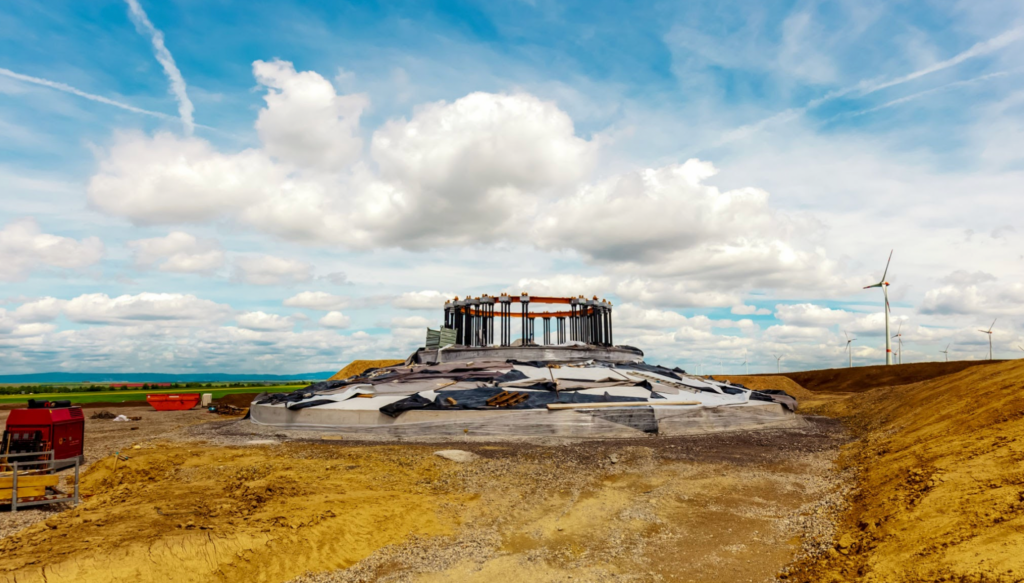
Sustainable building in 2026 focuses on low-carbon materials and circular engineering..
High-Performance, Low-Impact Concrete Tech
Sustainable building in 2026 relies heavily on engineering concrete for extreme durability. If a structure lasts twice as long without requiring structural repairs, its lifetime environmental impact drops drastically.
By utilizing advanced construction chemistry, specialized fiber reinforcements, and innovative circular aggregates, we can now build foundations and high-rise structures that resist harsh environmental degradation—whether facing the cold climates of Northwestern Europe or the humid, high-salinity marine environments of the Caribbean.
Summary: The 2026 Quality Blueprint
The most successful construction projects of 2026 do not treat technology, quality control, and eco-friendly design as separate goals. Instead, they weave them into a single, cohesive framework.
| Trend Attribute | Old Construction Model | The 2026 Standard |
| Problem Solving | Reactive (fixing mistakes after they occur) | Predictive (using AI to stop failures early) |
| Site Inspections | Manual checklists, paper logs, delayed reports | Smart digital management platforms with real-time sync |
| Material Focus | Standard high-emission mixes with short lifespans | Sustainable construction chemistry and fiber-optimized concrete |
Looking to future-proof your next project?
Independent oversight and technical expertise are the keys to avoiding costly structural failures. With over 25 years of international experience across 100+ projects, Cle Birdland provides the structured QA/QC frameworks, concrete engineering solutions, and regulatory compliance expertise your project needs to succeed.
Let’s build with confidence. Reach out today at Clebirdland@icloud.com to discuss your project needs.